Knowing how to clean and care for your efile bits properly is just as important as choosing the right shape in the first place. Even a high-quality bit will not perform well if it is clogged with product dust, stored carelessly, or used past the point where it should be replaced.
The safest way to think about bit care is in stages: clean first, then disinfect or sterilize only if the bit material, manufacturer instructions, and your local rules allow it. These are not exactly the same thing, and mixing them up is where a lot of bad advice starts.
Cleaning, disinfecting, and sterilizing are not the same
The first step is always cleaning. Cleaning means removing visible dust, skin debris, and product residue from the bit.
After that, some bits may also be disinfected using a product that is suitable for hard, non-porous salon tools. In professional settings, some tools may also be sterilized if the tool is compatible and the salon follows that workflow.
That is why a safe rule is:
- clean every bit thoroughly after use
- only disinfect or sterilize according to the bit manufacturer's instructions
- always follow your local infection-control and salon regulations
If you are ever unsure, the manufacturer's guidance should take priority over generic online advice.
Step 1: Remove visible dust and residue
Before any soaking, disinfecting, or pouching, the bit needs to be physically clean.
Take the bit out of the handpiece and remove visible dust and residue carefully. If you work in a salon, do this as part of your normal post-service cleanup routine, using appropriate dust control and hygiene practices for your workspace.
This stage matters because disinfectants do not work properly on tools that still have visible debris on them.
Step 2: Wash the bit properly
Once surface debris has been removed, wash the bit using warm water and a suitable cleaning solution or detergent recommended for salon instruments.
The goal here is to lift away the remaining product, oils, and fine dust so the bit is genuinely clean before moving to the next stage.
Do not assume that a quick rinse is enough. Residue trapped around the working surface can reduce performance and make a bit harder to process hygienically.
This is especially important with detailed prep bits such as flame bits, ball bits, and rounded cone bits, where fine debris can collect around the textured working area.
Step 3: Disinfect only if the bit and product are suitable
Many efile bits used in nail work are metal and non-porous, but that does not mean every bit should automatically be treated in exactly the same way.
If you are disinfecting bits, make sure:
- the bit is fully cleaned first
- the disinfectant is suitable for salon implements and hard non-porous tools
- you follow the disinfectant label exactly, including contact time
- the bit manufacturer does not advise against that method
Do not make up your own soak times, and do not leave bits in solution longer than the product instructions say. More time does not automatically mean better hygiene, and unnecessary soaking can shorten the working life of some tools.
Step 4: Sterilize only when appropriate
Some professional nail techs use sterilization as part of their tool-processing workflow. If that applies to your setup, only sterilize bits that are clearly suitable for it and process them according to the equipment and manufacturer guidance you follow in your salon.
This is where material matters. If you want a clearer overview of how bit materials differ in general, our guide on diamond, carbide, or ceramic e-file bits is a useful starting point.
The safest advice here is simple: never assume every bit can be sterilized in the same way.
Step 5: Dry thoroughly before storage
After washing, disinfecting, or sterilizing, bits should be dried properly before they are put away.
Putting damp bits straight into storage is a bad habit. Moisture left on the shank or working surface can lead to staining, wear, or general poor tool condition over time.
Bits should be clean, dry, and ready for the next use before they go back into your kit.
Step 6: Store bits so they stay clean
Good storage is part of bit care, not an afterthought.
If clean bits are dropped loose into a dusty drawer, stored wet, or mixed in with used tools, all the cleaning work you just did becomes much less meaningful.
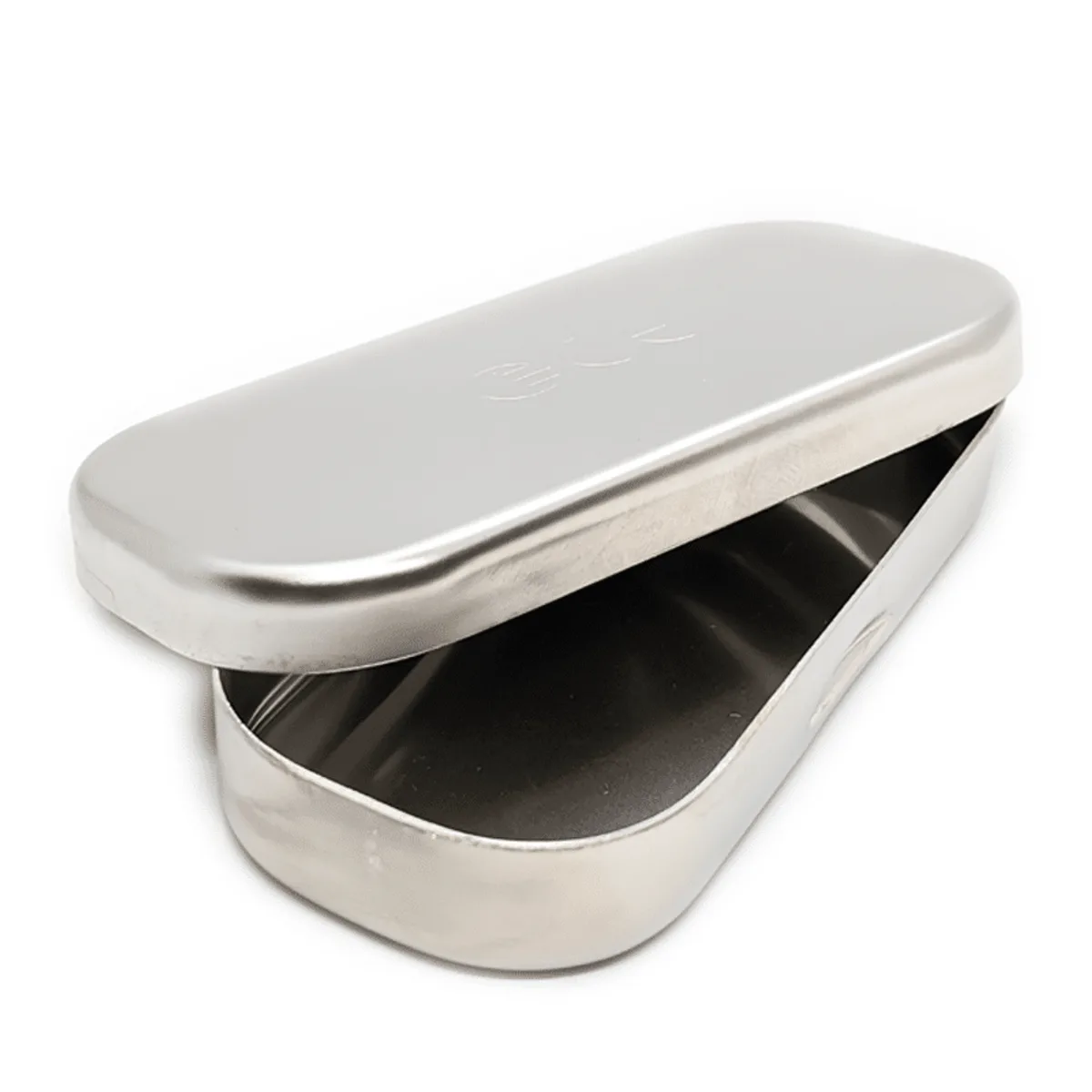
That is why many nail techs prefer a dedicated case such as our E File Drill Bits Storage Box, which helps keep bits together and protected rather than left loose in a working bag or trolley.
For professional use, the main goal is to keep clean bits separate from used ones and to avoid unnecessary damage between services.
Step 7: Check bits regularly for wear
Even if a bit is cleaned perfectly, it still needs to be checked for wear.
A bit should be replaced if it shows signs such as:
- visible rust or corrosion
- damage to the working surface
- a bent or damaged shank
- reduced cutting or refining performance
- unusual vibration in the handpiece
A worn bit will not suddenly become better with extra cleaning. Once performance or condition has gone too far, replacement is the safer choice.
This matters for all types, from detailed diamond prep bits to heavier removal tools like a Carbide E File Nail Drill or finishing options such as a Polishing E File Nail Drill Bit.
Be careful with one-size-fits-all advice online
One reason efile bit care can be confusing is that people often talk as if one method works for every material, every salon, and every country.
It does not.
The safest approach is:
- use the bit as intended
- clean it properly after use
- process it according to the manufacturer guidance
- follow the instructions for your disinfectant or sterilization method
- comply with your local salon and hygiene rules
That is much safer than copying random soak times or blanket rules from social media.
Final thoughts
If you want your efile bits to stay effective, hygienic, and reliable, the basics matter most: remove debris, clean thoroughly, dry properly, store carefully, and replace bits when they are worn.
The right care routine is not about doing the most aggressive thing possible. It is about doing the correct thing for the bit material, the product instructions, and the environment you work in.
If you are building a more practical working setup, you can browse our full shop or add a dedicated bit storage box to keep clean bits protected between services.